



|
|
|
ETNA VOLCANO - SICILY - SOUTH ITALY
HOTEL ROOMS ACCOMMODATION OFFERS IN ZAFFERANA ETNEA ETNA VOLCANO SICILY
WHERE TO EAT WHERE TO HAVE FUN EXCURSIONS SPONSORS Mount Etna is Europe's largest volcano (its volume is at least 350 km3), and one of the most active (in the sense of "productive" and eruption frequency) volcanoes on Earth, with frequent periods of intermittent to persistent activity in the summit area and major eruptions from new vents on its flanks every 1-20 years. The main feature of Etnean activity is voluminous lava emission, but strong explosive activity occurs occasionally, mostly from its presently four summit craters. Some of the eruptions from its flanks also show high degrees of explosivity, such as those in 1669, 1879, and 2002-2003. 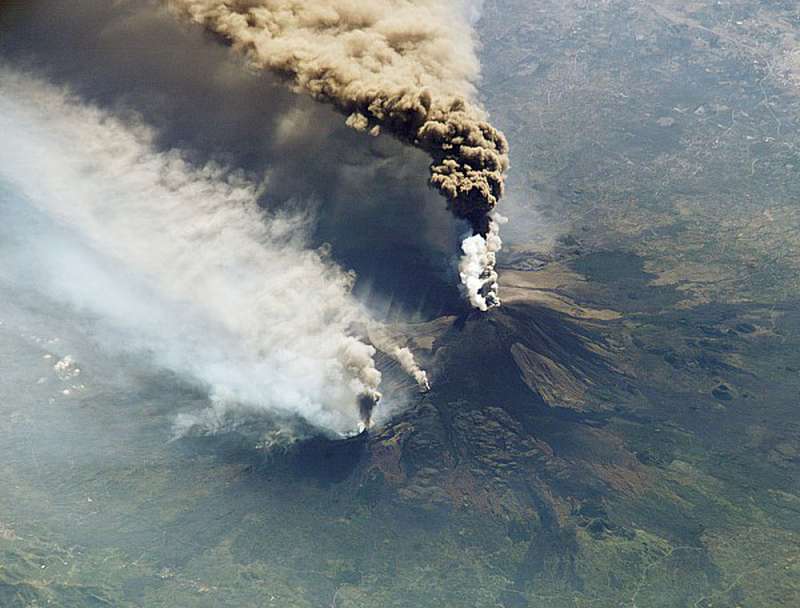
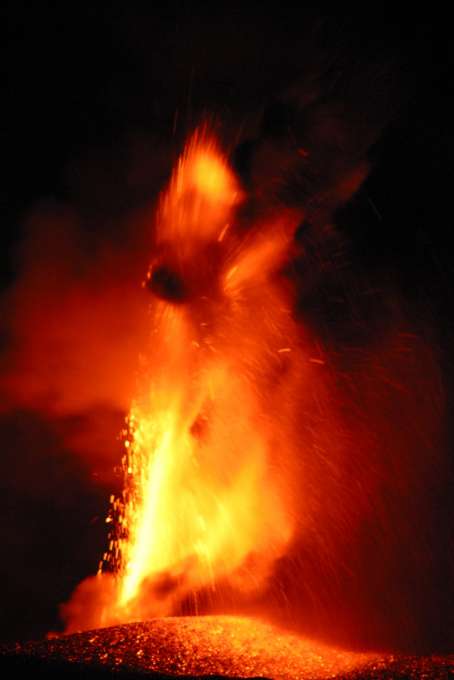
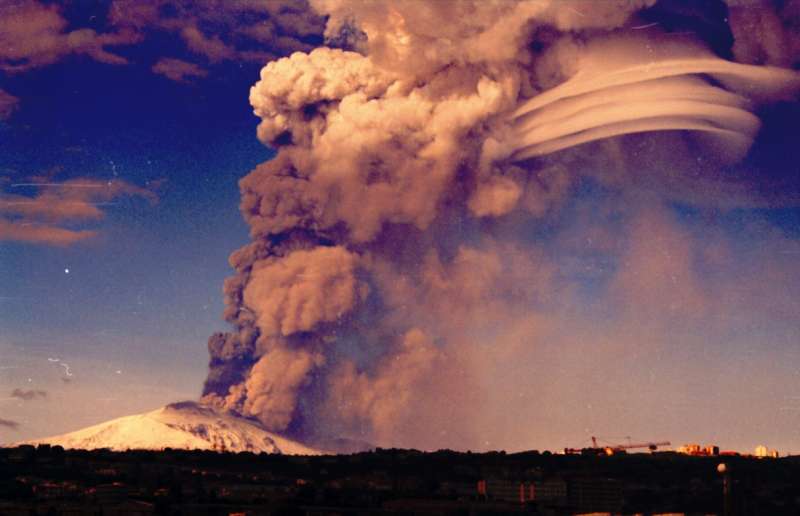
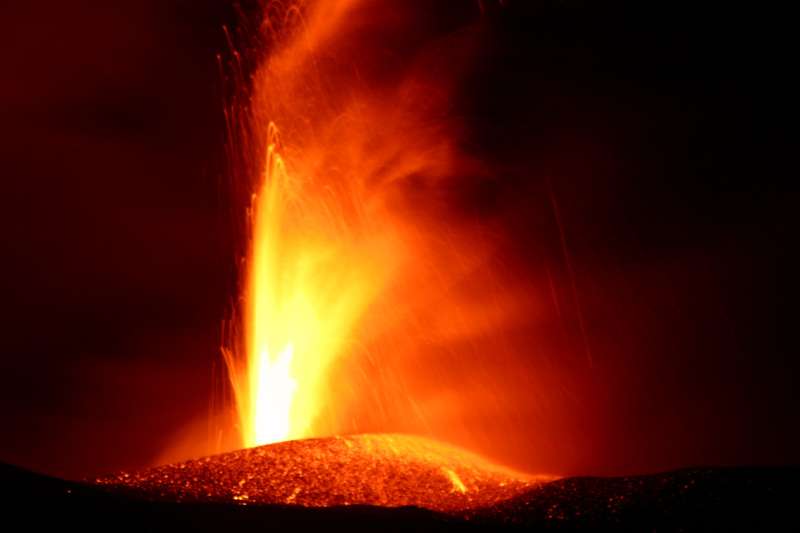
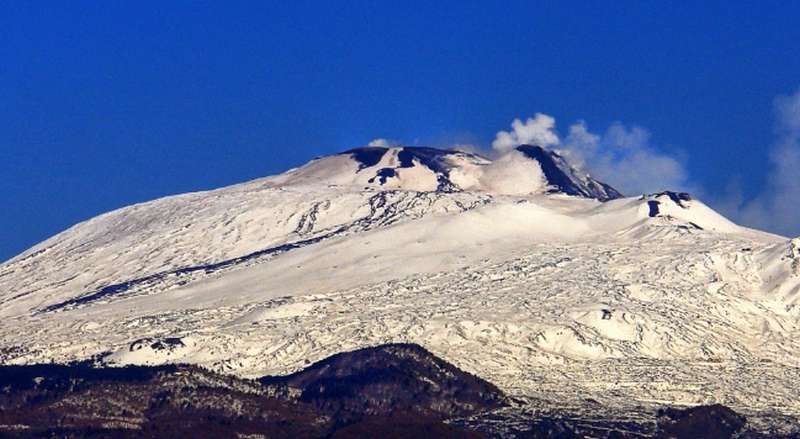
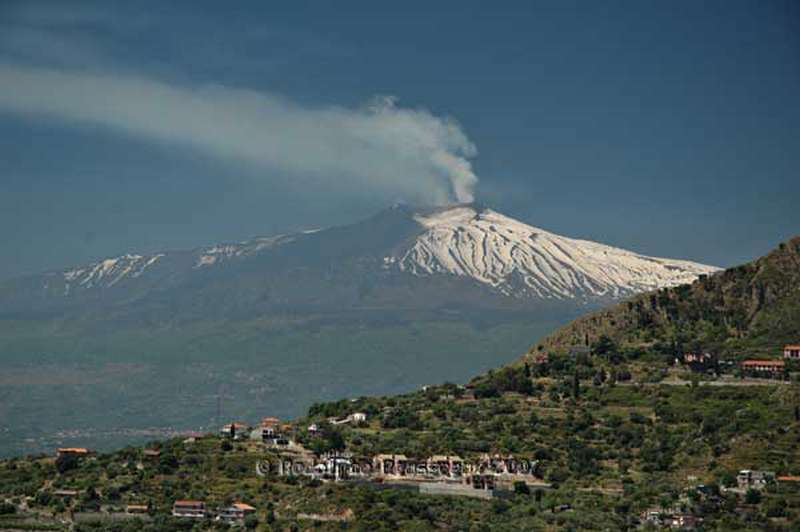
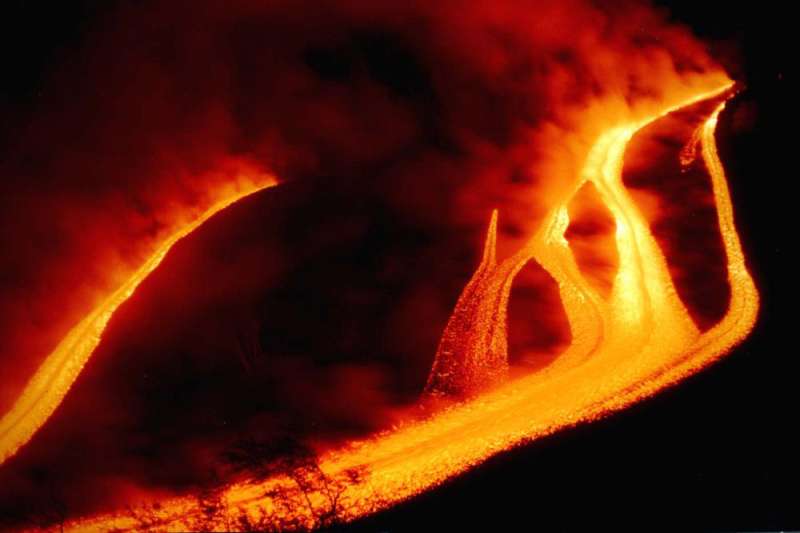
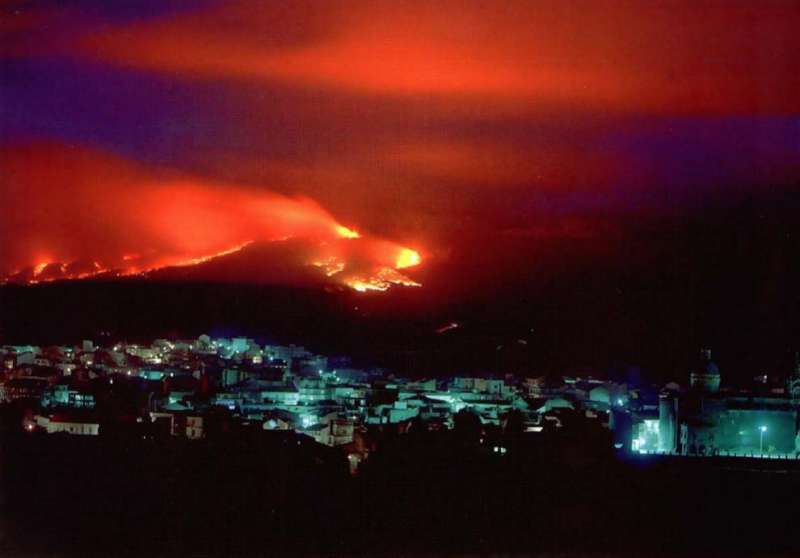
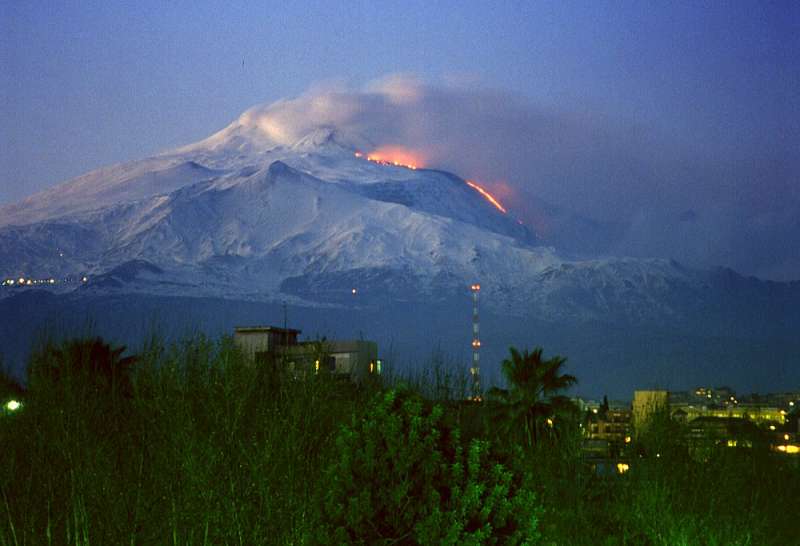
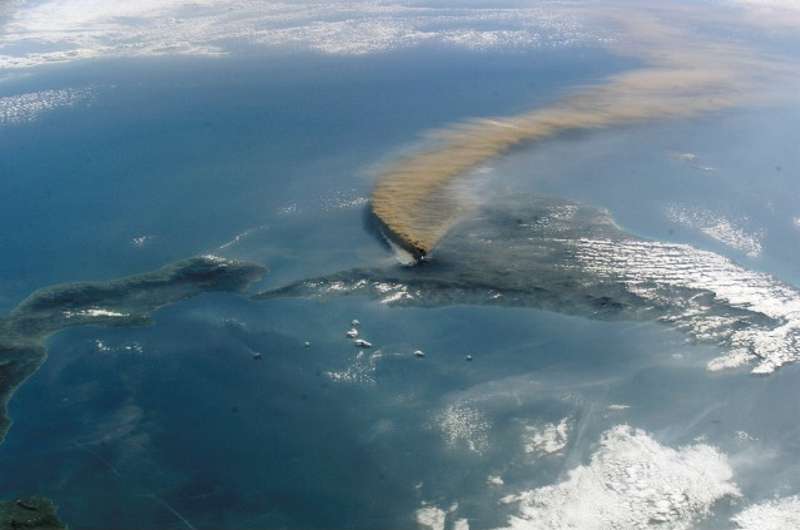
The name Etna probably has its origin in a mixture of the Latin and Greek words for "to burn", although an alternative hypothesis is that it is actually derived from the Phoenician word "athana", which means "furnace". Both hypotheses appear quite plausible and show how early populations near the volcano were impressed by its frequent eruptions. Many geographic maps of Etna show a second name at the site of the volcano, Mongibello, a name derived from a mixture of the Roman word mons and the Arabian word gibele, or jebel, both of which mean "mountain". Etna has thus the privilege to be "Mount Mountain" in the mentality of the people living around it, and this is justified. In Sicily Etna is THE mountain, 'a muntagna in the local dialect. It is another noteworthy detail of the consideration Etna enjoys in the hearts of the people dwelling at its sides that the mountain is considered to be female which is not a typical way of considering mountains in Europe. Etna is the big Mamma (and when seeing it with its many little cones from flank eruptions, this idea is quite understandable) who gives and takes, and has created this particular place on Earth. Etna is particular for a number of reasons. First, it has the longest record of historical eruptions (see Volcanoes of the World, 1994 edition) among all volcanoes on this planet, its first historically documented eruption occurring at about 1500 BC. The total number of eruptions is 209 (18 among them questionable) through late 1993 (Volcanoes of the World). To these, there have now to be added the spectacular and vigorous summit eruptions of 1995-2001, the flank eruption of July-August 2001, the modest summit eruptions of the summer of 2002, and the dramatic flank eruption that lasted from October 2002 until late January 2003. Certainly we will not have to wait long to add yet another eruption, either at the summit or somewhere on the flanks, to this impressive record. Etna lies in an area that is still not well understood from a geological standpoint. While some scientists relate, in a broader sense, the Etnean volcanism to subduction of the Ionian oceanic seafloor beneath the Calabrian Arc (with volcanism on the Aeolian Islands as one consequence), others postulate a hot spot beneath Etna, thus explaining its high lava production and fluid mafic magmas. Still another hypothesis sees Etna in a complex rifting environment. Among the few things which are quite well understood is the fact that the volcano lies at the intersection of several major regional fault systems, and this probably facilitates the uprise of magma right in this place. It is evident that Etna lies in a very complex geodynamic environment hardly comparable to any other region on Earth. There is some evidence that Etna is but the most recent manifestation of volcanism fed from a very long-lived mantle source, having caused numerous earlier phases of mafic volcanism in the Monti Iblei, SE Sicily, from the late Triassic to the early Pleistocene. Although it is generally considered a rather benign volcano, like Kilauea on Hawaii and Piton de la Fournaise on Réunion island in the Indian Ocean, in the sense that it does not produce devastating explosive eruptions, Etna's eruptions represent a significant threat to human property and dwellings in the vicinity. This is mainly due to the frequency of eruptions on the flanks, sometimes at low elevation and thus close to inhabited areas, and to the presence of numerous towns and villages on the volcano's flanks, especially on the southern and southeastern sides. On several occasions during history, population centers have been partially or totally destroyed by lava flows, most recently in 1669 and 1928, and much more often has cultivated land been buried by lava flows. Lava flows are in fact produced during all eruptions of Etna and represent by far the greatest hazard to human property. But although it generally does not produce powerful explosive eruptions like Mount St. Helens or Pinatubo, or some of its Italian companion volcanos such as Vesuvio and Vulcano, Etna's explosive potential has been underestimated until recently. The flank eruptions in 2001 and 2002-2003 have not only shown that Etna is well capable of significant explosive activity, but also that the society living next to the volcano has grown highly vulnerable, with ground and air traffic being most sensible to ash falls. Still Etna is called by the local people a "good volcano", and in spite of the existing hazards, this concept is not all that wrong. Life near Etna has a number of benefits: the fertility of the volcanic soils, the favorable climate conditioned by the presence of a large mountain close to the sea, and, last but not least, Etna rarely kills people. The existing historical record allows to state that less than 100 people have been killed by eruptions of this volcano in the past >2000 years, although the record is not complete prior to AD 1600. Most of these fatalities occurred close to the sites of eruptions, and the victims were nearly always "in the wrong place at the wrong time": they were watching eruptions or were at the summit in periods of unpredictable explosive activity. Not a single case of people being surprised in their homes by eruptions is documented for Etna. |
||||||||