



|
|

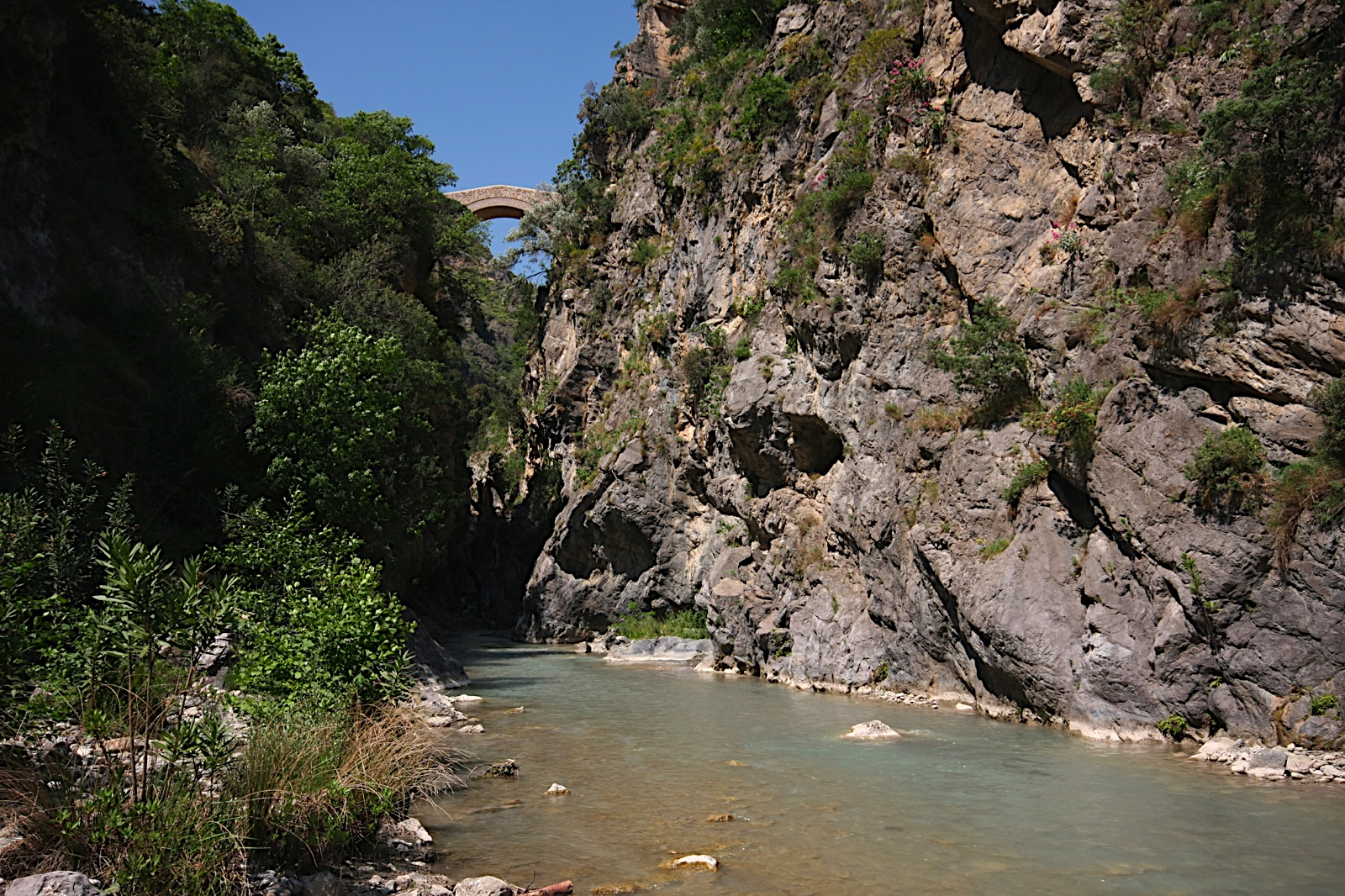
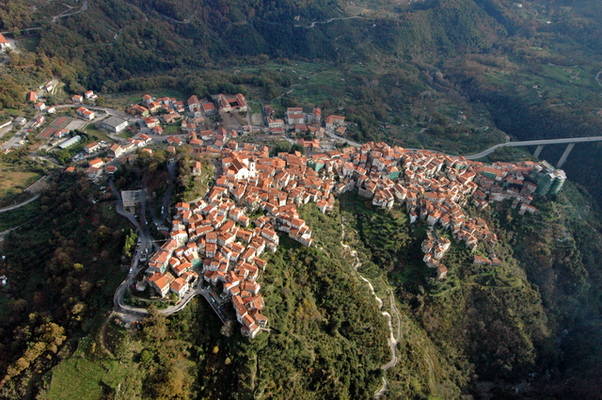
HOTEL ROOMS ACCOMMODATIONS OFFERS IN BASILICATA STAY BY GEOGRAPHICAL DESTINATION IN COASTAL MOUNTAIN OR RURAL AREA Wine & Food Pollino National Park Climate Basilicata, magical and vague. Land of light and clay, woods and mountains, that can lead to the desire of its discovery without noticing. This is a small region who's solitary mountains gently fall to the Tyrrhenian Sea on one side and to the Ionian Sea on the other. Basilicata is surrounded by other territories of Southern Italy, like Calabria that leads to Sicily, Campania with it's Amalfi Coast and Sorrento, or Apulia with it's Trulli Houses. It's "old" little towns keep traditions and customs still very alive and reveal them to visitors in a discrete yet frank way. They feature small roads and alleyways that meet and lead from one side of town to the other, the "piazzas" where inhabitants meet for a relaxing game of cards just outside their favourite little bar. Some lay peacefully on the rocks allowing a silent and reserved stay with great views of it's rugged coast, others lay next to the beach, surrounded by nature, offering fun and entertainment. Basilicata is one of Italy's regions less populated however people of various ethnic origins lived here like Albanians who made of this small land their ideal for survival throughout the years until today. 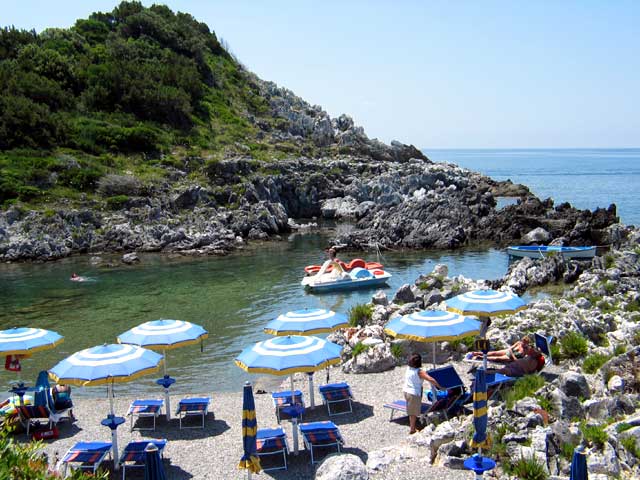

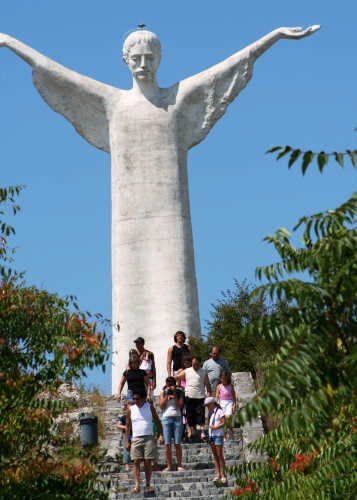
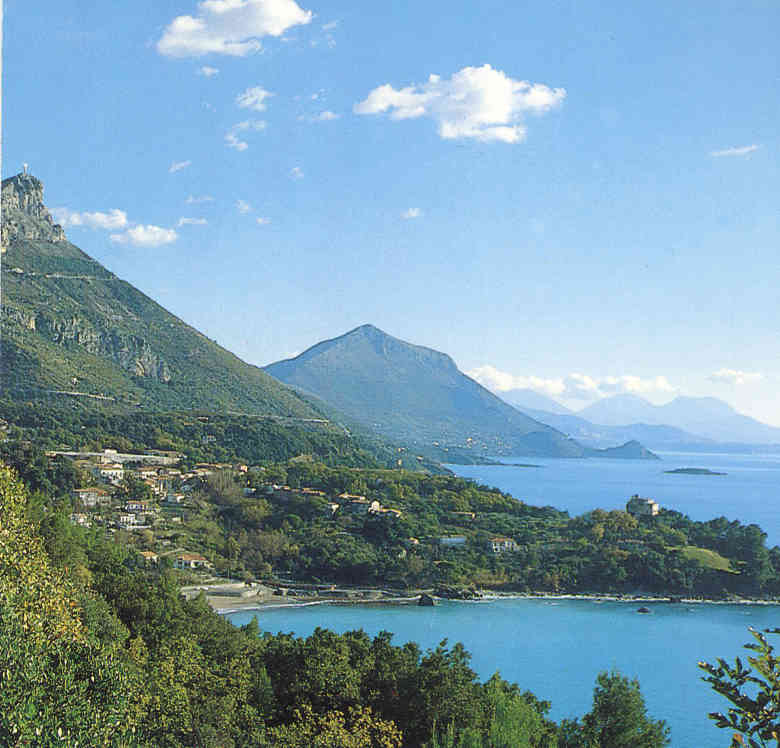
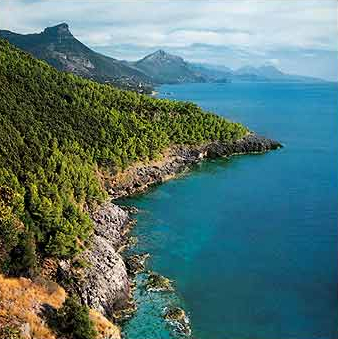
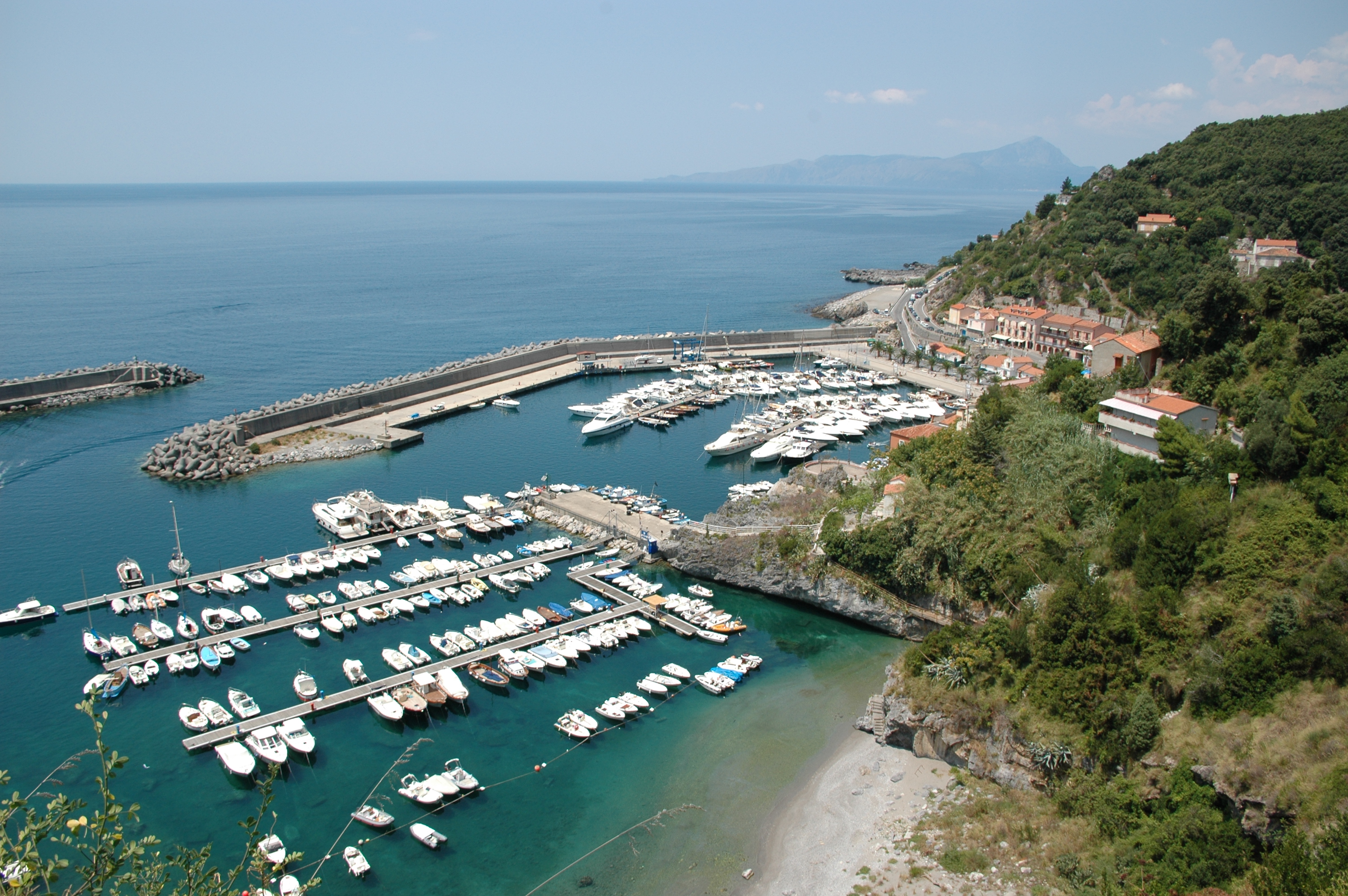
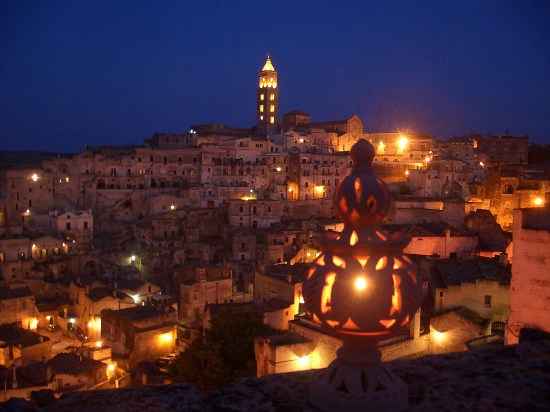
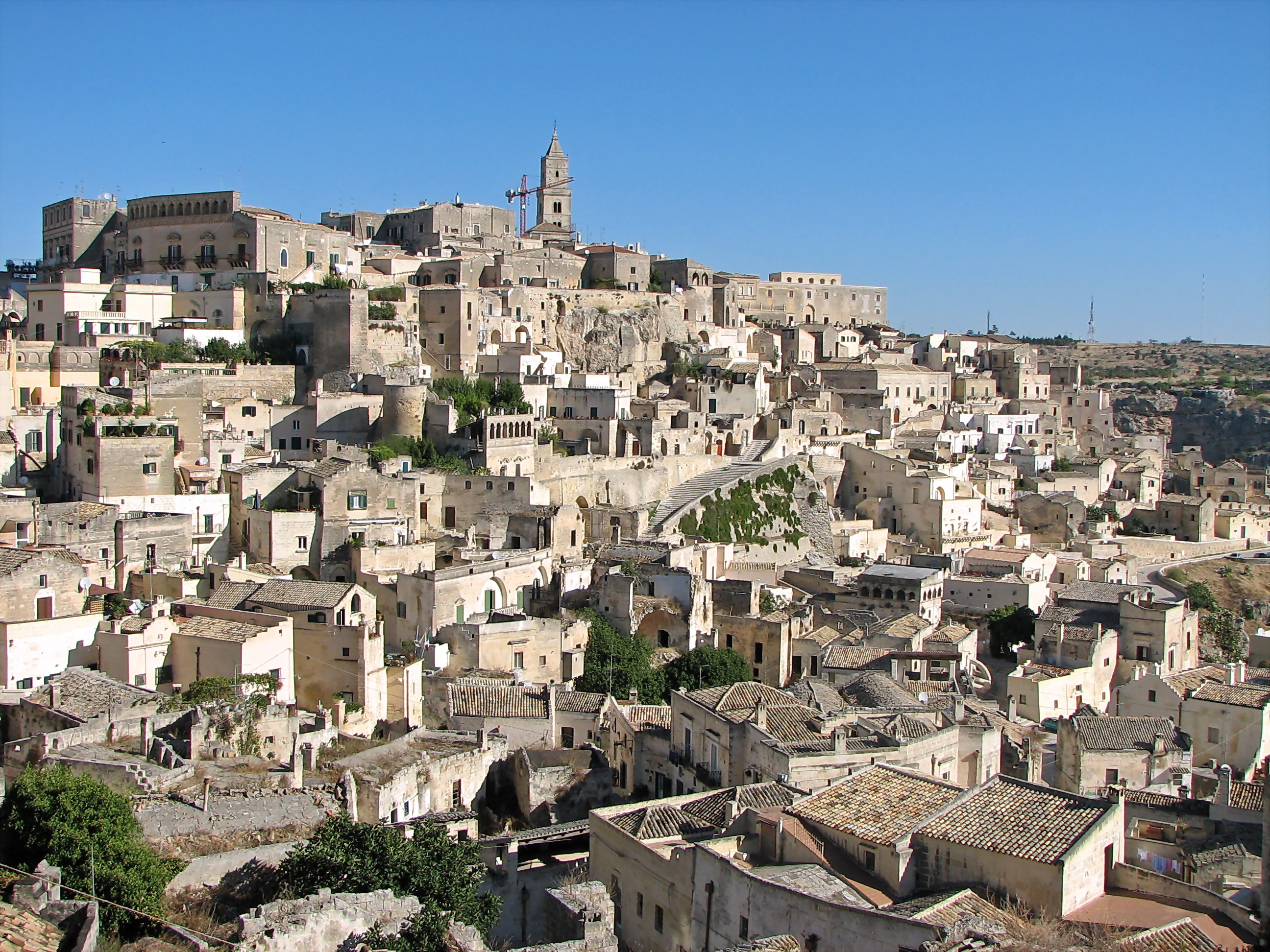
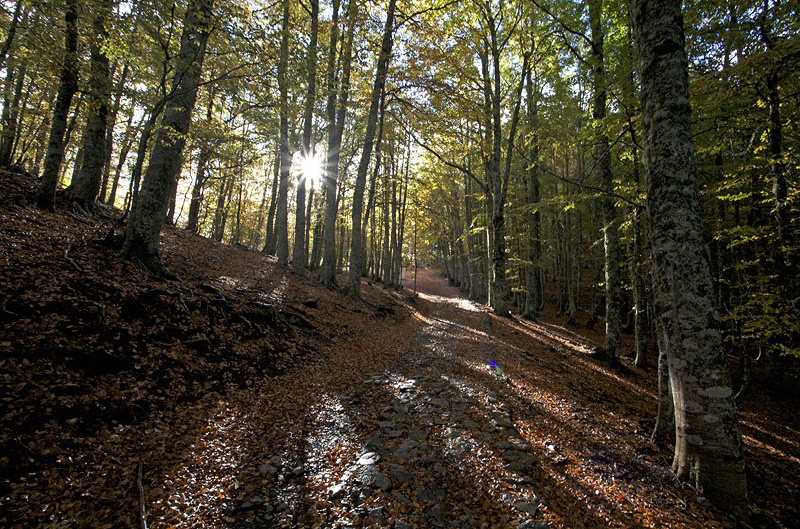

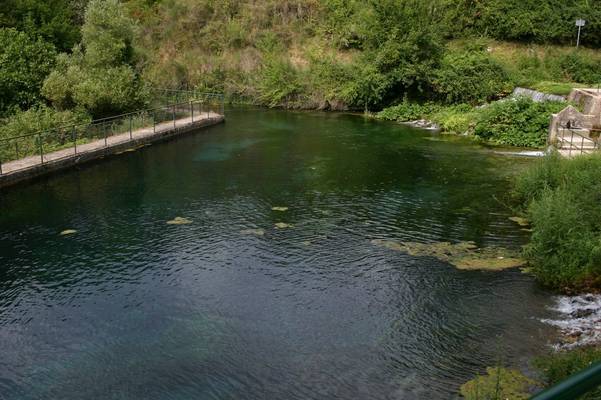
The region's climate has a typical Mediterranean character with high temperature's during the winter season and low temperatures during the summer. This is caused by the irregular rain falls during the year and effected by it's position in Southern Italy, surrounded by the chains of mountains and influenced by the three seas that wet her: the Ionian and the Tyrrhenian.
Morphological Structure Basilicata, a region of peninsular Italy bordered by Puglia to the N-NE, Campania to the W, and Calabria to the S, has a surface area of 9992 sq. km. and a population of 603,000 counting the 131 municipalities of Potenza, the chief town, and Matera, It is crossed from north to south by the Lucano Apennine, the mountains of which, except for the Pollino Massif, on the boundary with Calabria, and the Sirino to the SW, do not exceed two thousand metres in height. The main rivers: the Sinni, the Agri, the Basento and the Bradano rise in the Apennines and flow into the Ionian Sea characterizing most of the geographical and climatic aspects of the region. The most interesting aspects of this region are certainly first mountains, where an intricate vegetation gives a fairytale air to the landscape - a feature of the Vulture area - alternates with less woody surroundings and where the erosive action of wind and water has marked the appearance of the Lucan Dolomites. The scenery which greets the tourist between Pietrapertosa and Castelmagno is spectacular: pinnacles rising to the sky almost as prehistoric monsters with dwellings hollowed out in the rock base as a defence against barbarian raids. | ||||||||
|
|
||||||||