
Italy Web Guide & Travel - Holiday Accommodation, Hotel Rooms, Self Catering Apartments and Villas for rent or sale in South Italy, Food Wine and Italy Travel, Tailor made & Relax Holidays Travel and holidays to south Italy - Holiday accommodation in Apulia, Sicily, Amalfi Coast, Calabria, Basilicata and Eolian Islands.
This is an area so little known to the European tourism yet in a delightful land wealthy of natural beauties, such as the Arch of Arcomagno, a natural arch of rock, entrance to an attractive coved beach,  with calm turquoise sea; the Faraglioni of Capri, beautiful sea rocks in the sea of Capri, one of many in the Amalfi Coast; or the Etna Volcano, still active and one of Sicily's biggest tourist attractions.
Tortora Paese Arco Magno - Praia a Mare Trulli - Apulia Il Cristo - Maratea Il Tempio dei Dioscuri - Agrigento South Italy Wine & Food Campania Capri Island Square Positano View Campania I Bronzi di Riace - Reggio Calabria
ADVERTISEMENT
ADVERTISEMENT
ADVERTISEMENT
Untitled Document


Travel and holidays to south Italy - Holiday accommodation in Apulia, Sicily, Amalfi Coast, Calabria, Basilicata and Eolian Islands.


Travel and Holiday to south Italy, Sardinia, Maddalena Archipelago, Gennargentu National park, Porto torres, Cagliari, accommodation by the sea or rural


SARDINIA - NURAGHE DISCOVERED


FIND ROOMS HERE    LEISURE    SHOPPING    EXCURSIONS     Town Geographical Position


The nuraghe is the main type of megalithic edifice found in Sardinia, dating back before 1000 BC. Today it has come to be the symbol of Sardinia and its distinctive culture.
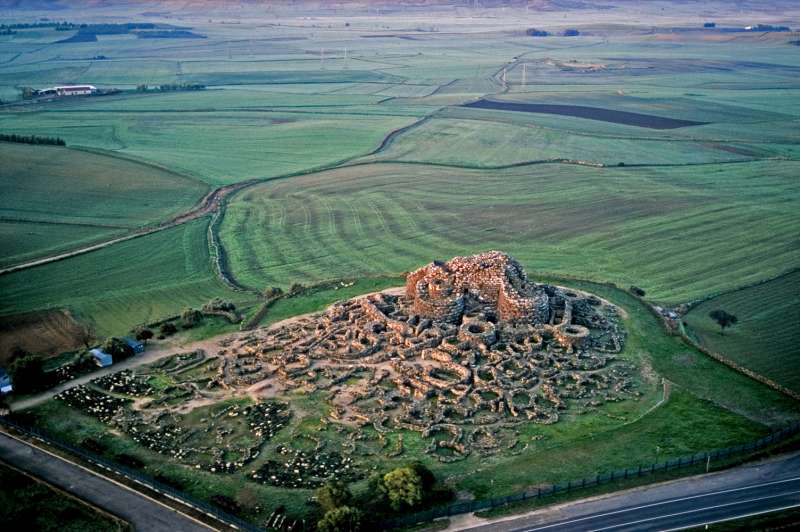
The boundaries of tribal territories were guarded by smaller lookout nuraghi erected on strategic hills commanding a view of the enemy.

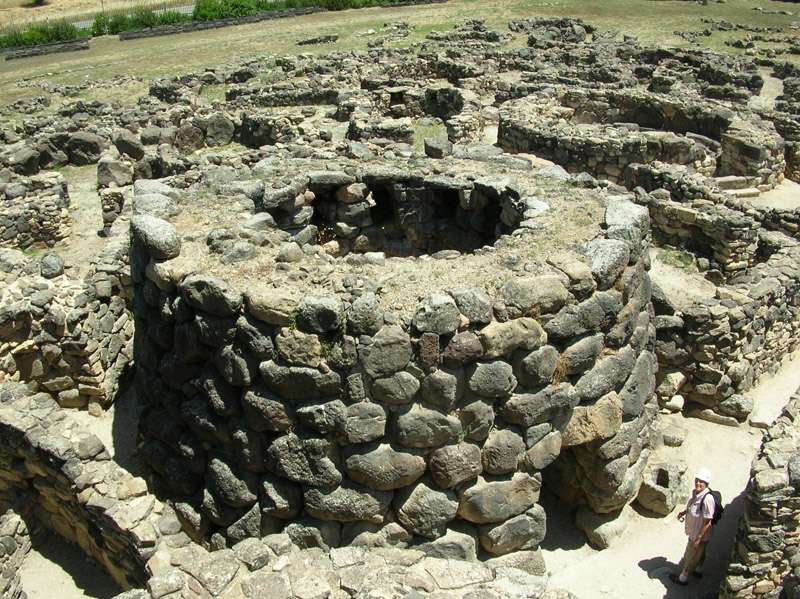
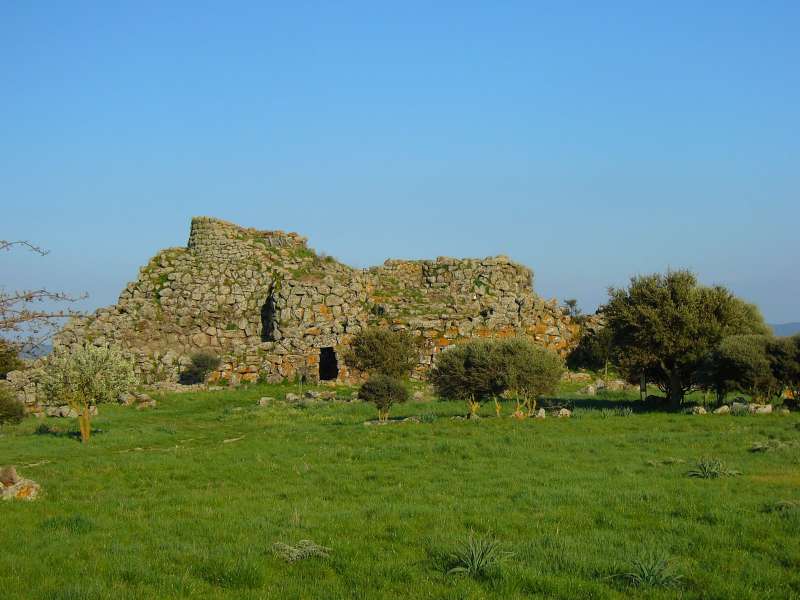
The typical nuraghe is situated in a panoramic spot and has the shape of a truncated conical tower resembling a beehive. The structure has no foundations and stands only by virtue of the weight of its stones, which may weigh as much as several tons. Some nuraghes are more than 20 metres in height. Today, there are more than 8,000 nuraghes still extant in Sardinia, although it has been estimated that they once numbered more than 30,000. Nuraghes are most prevalent in the northwest and south-central parts of the island.

The numerous nuraghi which are spread all over Sardinia, occupy a very relevant place among the archeological sites that have been left in the Western Mediterranean basin by the various cultures which have, over the centuries, lived in these lands.
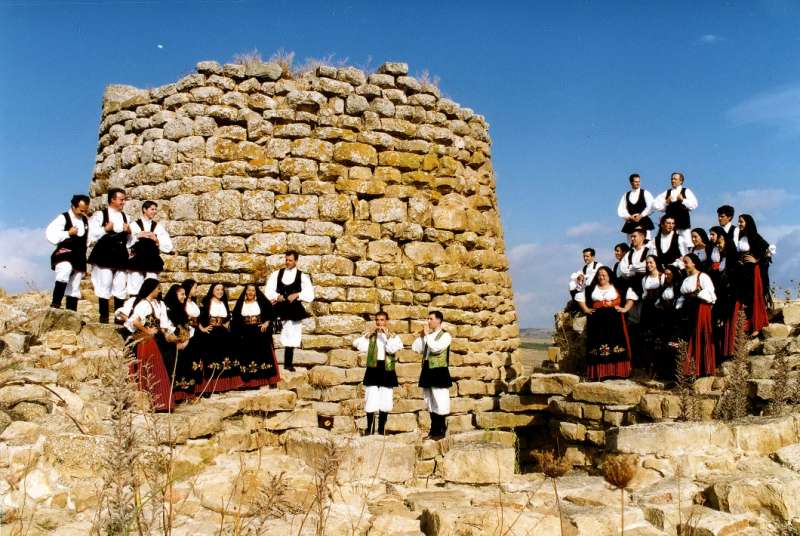
These majestic buildings have a prominent role in the Sardinian landscape so much so that they remain stamped on the visitor's mind as a characteristic image of this mysterious and extraordinary land and are a symbol and emblem of a whole population.

The name of these typical Sardinian Nuraghi derives from the word "nurra" which means "heap" or "mound", but also "cavity". It is perhaps for this double meaning that the word has been applied to the original shape of the Nuraghi, built by laying big stones one on top of the other to create a "hollow" which is then covered by a stone dome to form a room.