
Italy Web Guide & Travel - Holiday Accommodation, Hotel Rooms, Self Catering Apartments and Villas for rent or sale in South Italy, Food Wine and Italy Travel, Tailor made & Relax Holidays Travel and holidays to south Italy - Holiday accommodation in Apulia, Sicily, Amalfi Coast, Calabria, Basilicata and Eolian Islands.
This is an area so little known to the European tourism yet in a delightful land wealthy of natural beauties, such as the Arch of Arcomagno, a natural arch of rock, entrance to an attractive coved beach,  with calm turquoise sea; the Faraglioni of Capri, beautiful sea rocks in the sea of Capri, one of many in the Amalfi Coast; or the Etna Volcano, still active and one of Sicily's biggest tourist attractions.
Tortora Paese Arco Magno - Praia a Mare Trulli - Apulia Il Cristo - Maratea Il Tempio dei Dioscuri - Agrigento Piazzetta - Capri Panorama - Rivello Etna Volcano - Sicily I Faraglioni - Capri I Bronzi di Riace - Reggio Calabria Untitled Document


HOTEL OFFERS
OSTUNI

HOTEL OFFERS
MARATEA

HOTEL OFFERS
CAPO VATICANO

HOTEL OFFERS
AMALFI COAST

HOTEL OFFERS
TAORMINA


Travel and holidays to south Italy - Holiday accommodation in Apulia, Sicily, Amalfi Coast, Calabria, Basilicata and Eolian Islands.

Video di Greco e Maiolino di Buonvicino alla Corrida su Canale 5
Travel and Holiday to south Italy, Campania, Amalfi Coast, Vesuvius, Cilento, Sorrento, Capri, Pompei, Naples, accommodation by the sea or rural


CAMPANIA - VESUVIO


ACCOMMODATION    LEISURE    SHOPPING    EXCURSIONS     Town Geographical Position


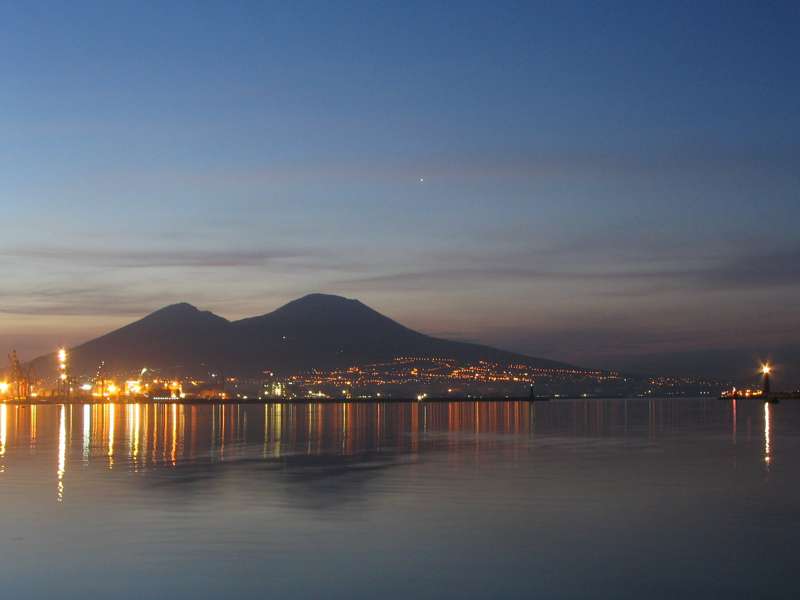
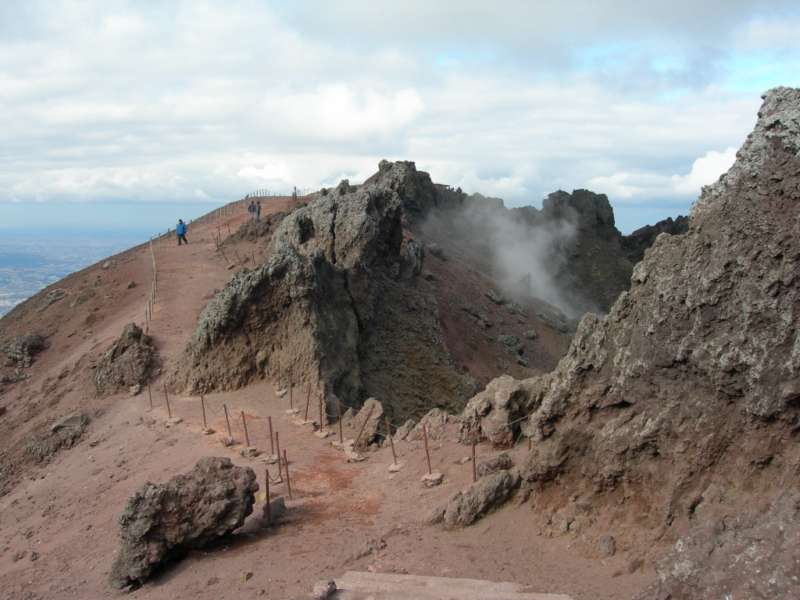
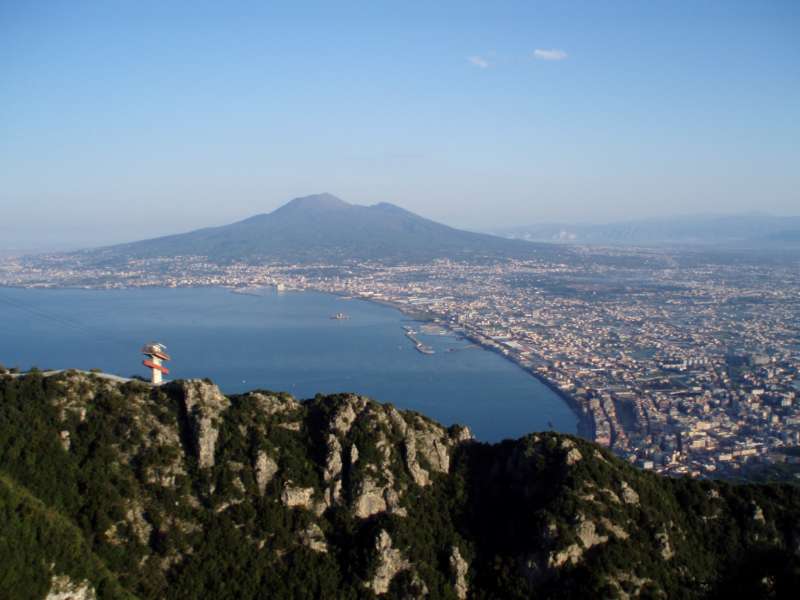
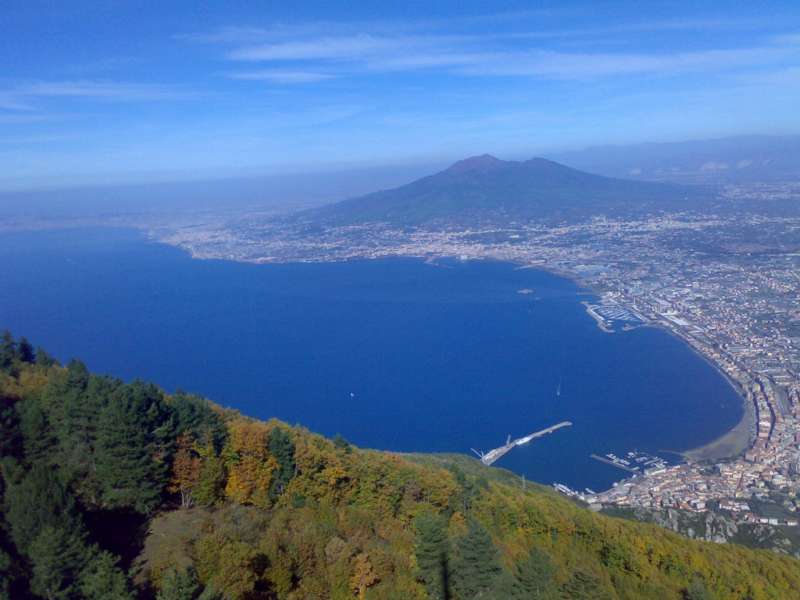
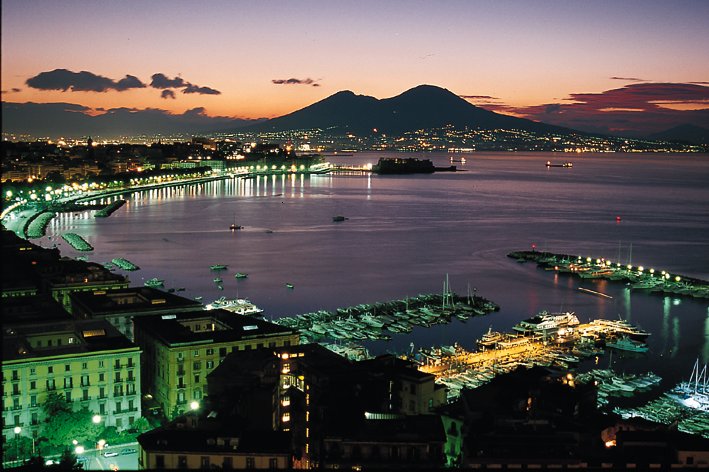
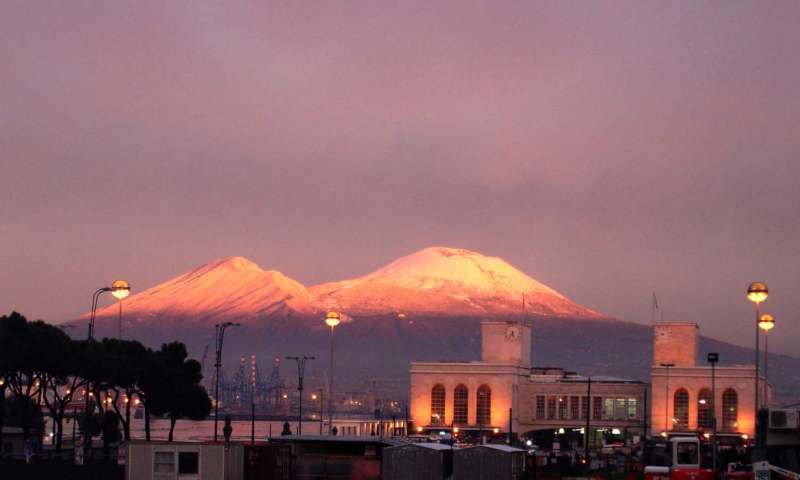
The Vesuvio (Vesuvius), a dominating feature of the Neapolitan landscape, is known throughout the world. Its fame started in 1884 with the inauguration of the funicular railway to the top of the mountain (originally 1336 meters high, reduced to 1200 meters after the eruption in 1906). To the music of "Funiculi' funicula", millions of tourists have visited Vesuvius, an awe-inspiring vision of petrified lava. The most tragic eruption among them all, was the one in 79 a.D. that destroyed the towns lying at its feet, Herculaneum, Stabia and the world famous Pompeii. Today it is quiet and although still active, its only visible manifestation are the smoke leakages. The Vesuvius' activity is constantly recorded from the "Osservatorio Vesuviano".
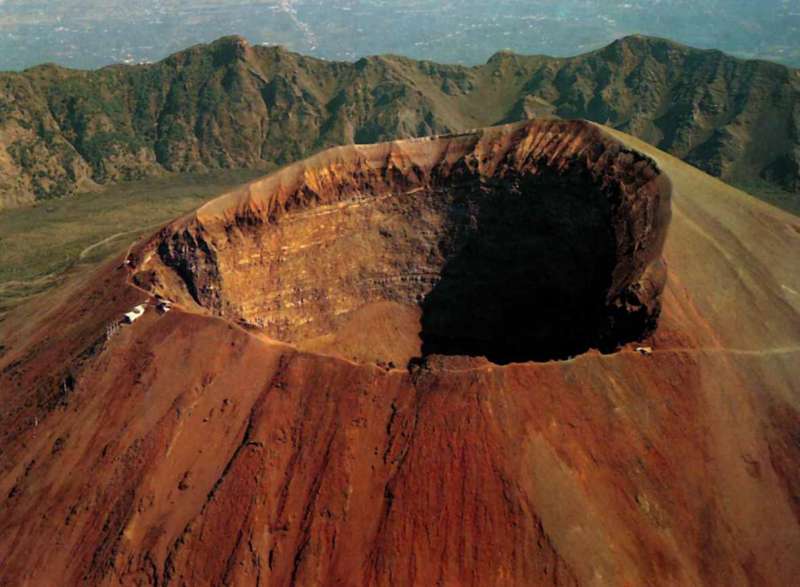
 

It's circumference is about 50 km, and is in fact formed by Two volcanoes: the "Monte Somma" volcano, oldest one, that exploding in prehistoric time destroyed the top of a volcano leaving a vast crater, which now hosts the Vesuvius itself.


The top of the volcano enjoys two fantastic views, one is the most breathtaking panorama on the coast and the sea, and the other, a "once in a lifetime" view that can't be missed: its impressive chasm by the falling sides that sink towards the heart of the earth.