



|
|
|
SIBARI - CALABRIA - SOUTH ITALY Sibari is shrouded in mystery as no other city of Magna Graecia. Its history, fate, the interest which it aroused in students of Antiquity during the course of the centuries have only helped to feed its myth. Located between the Rivers Crati and Sibari, this town was Magna Graecia's oldest and most famous colony and became Italy's largest and most populated city of the time. Sibari had itself many colonies and various resources such as the fertility of its countryside, vines and olives, the resources of Sila and Pollino forests, the gifts of earth, it's rich silver mines, that kept this town as one of the richest and well preserved of the time. This uncommon wealth soon engendered dissension and envy in Sibari's main rival Croton that made this town it's first objective for destruction. Croton wanted Sibari to disappear for ever and had the waters of the river Crati diverted flooding the town. Survivors of Sibari founded other two colonies named Thurii and Copiae that however where not as wealthy and famous as their original town. Remains of these two colonies have been excavated in the Parco del Cavallo but nothing has arised of the ancient Sybaris. 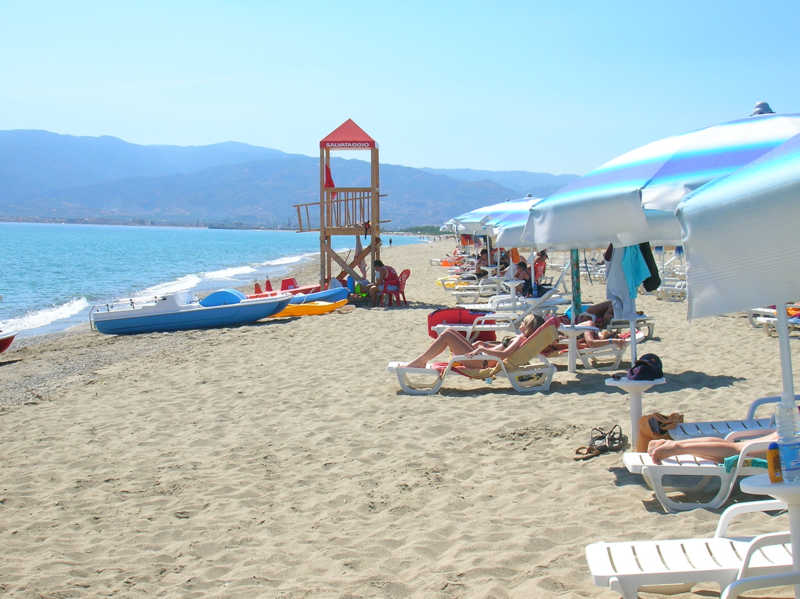
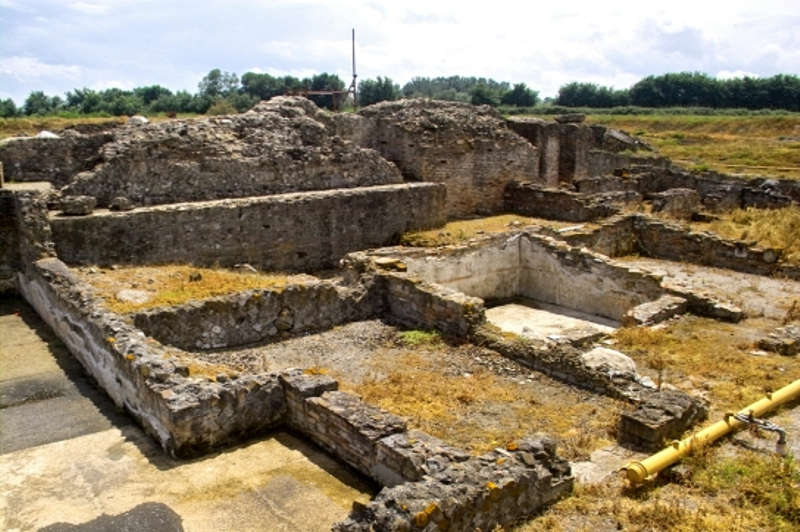

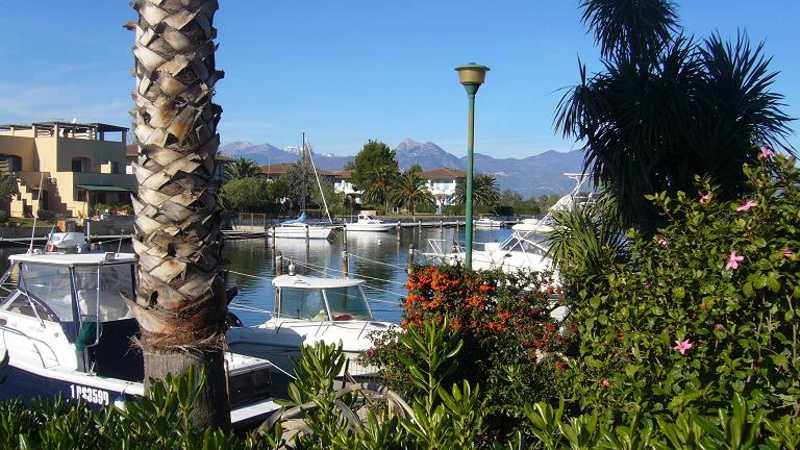
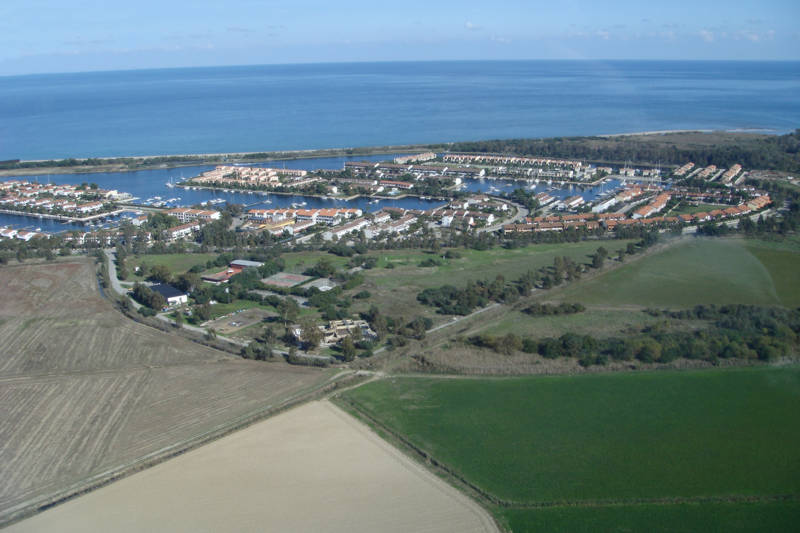
These excavations have brought to light yielded jewellery, small bronzes, fragments of statues, proof of Copiae's private houses, a theatre, it's square and the baths and can be seen in the Museum of Siritide where archaeological findings from a past that ranges from protohistory to Roman age can be admired. Another very interesting site is the "Punta Alice" where remains of the Temple of Apollo Aleo can be found. Sibari is known as Magna Grecia's oldest, largest, most famous and populated colony of the time. Located between the rivers Crati and Sibari, it used to have, as it still has, many resources, such as very fertile countryside with vines and olives, the wealth of the Sila and Pollino forests and rich silver mines, which all took part to keep this town one of the richest. Crotone, who was Sybaris biggest rival at the time, diverted the waters of river Crati causing the flooding of the town so to obtain, as the inhabitants would escape, the wealth of the land. The survivors of the flood took shelter in two other colonies, Thurii and Copiae. This is how the story goes; but its history and fate which interested many students of Antiquity during the course of the century only helped to feed its myth, as in the Parco del Cavallo were excavated many remains from a past that ranges from protohistory to roman age of the two colonies in which Sybaris survivors, at the time, moved; remains that are still kept in the museum of Siritide, but nothing was found relating to the ancient Sybaris. Another very interesting site of the town in the "Punta Alice", where are found remains of the Temple of Apollo Aleo. |
||||||||