|
SCALEA - CALABRIA - SOUTH ITALY
VISIT AND SEE
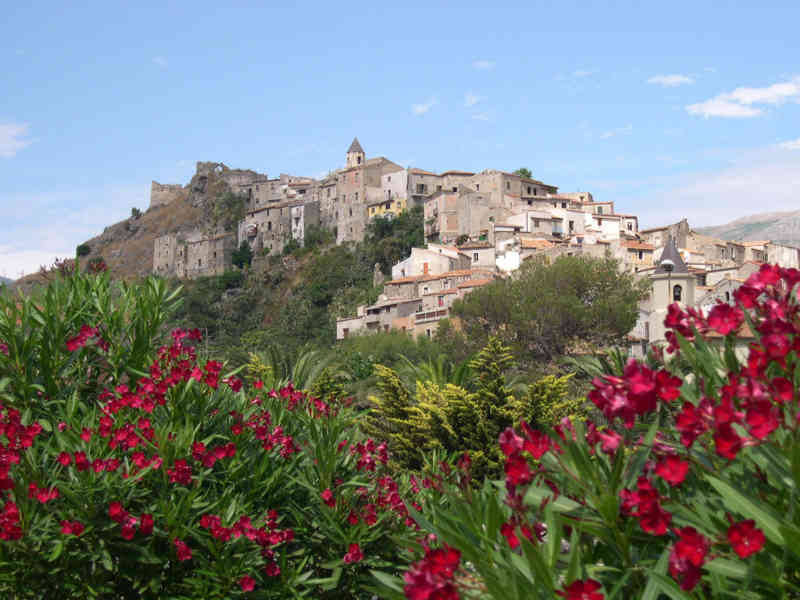
Scalea is a picturesque, little town which takes its name
from its terraced lay-out on the hillside, at the bottom of the Capo Scalea
promontory.
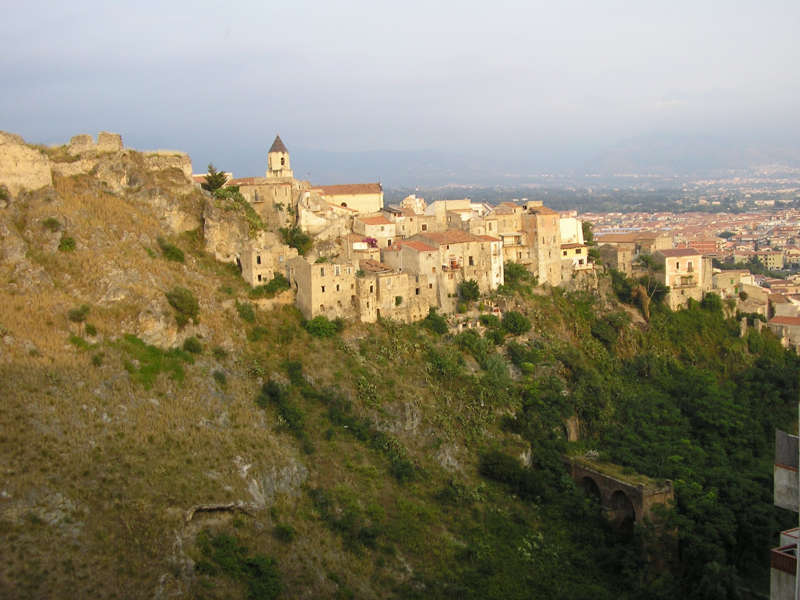
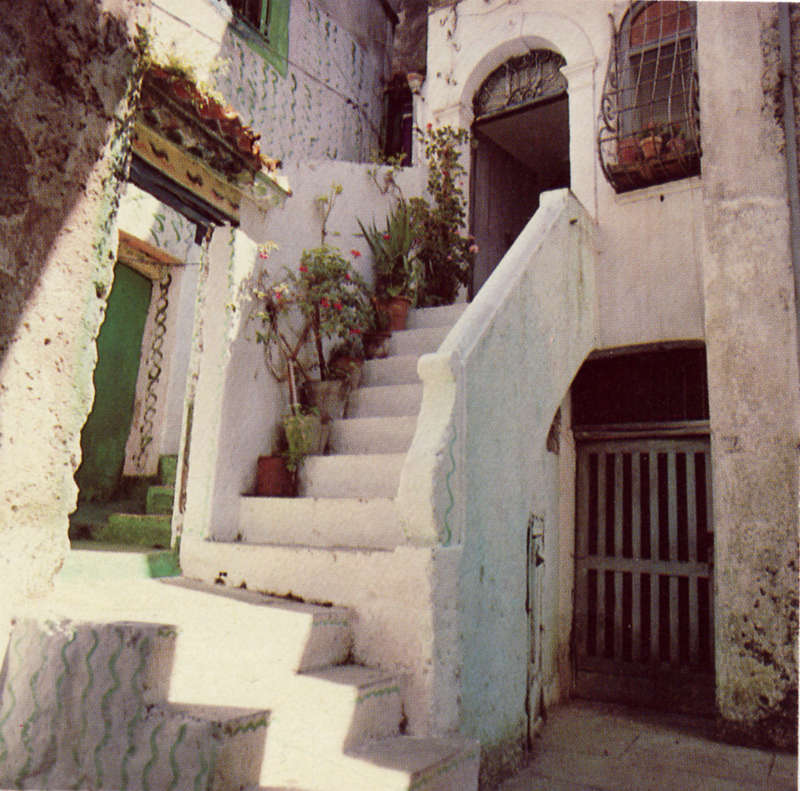
With its medieval structures and characteristic houses, almost built one on
top of the other, is one of the few resorts on the Calabrian coast to have
such a well preserved historical centre with its Byzantine churches, antique
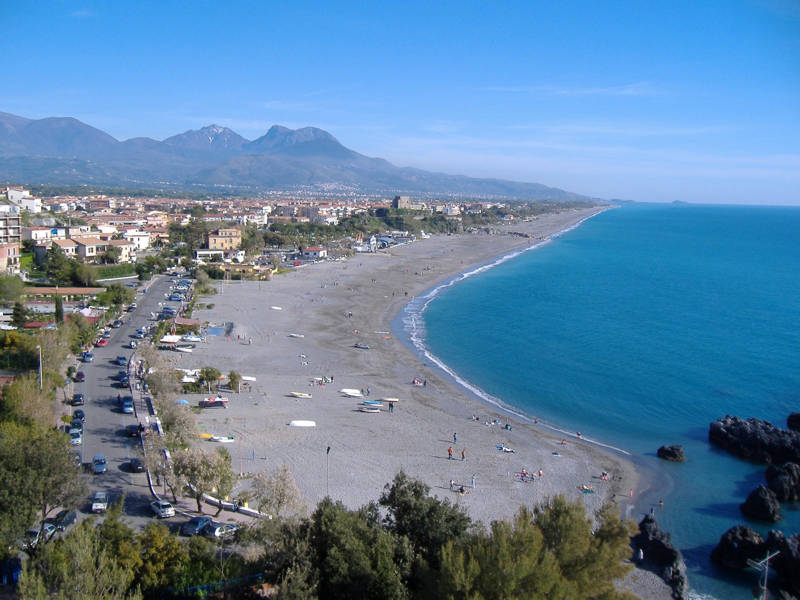
castle ruins, medieval buildings, and breathtaking view of the coastline
with its long beaches of dark volcanic sand, and steep rocky inlets.
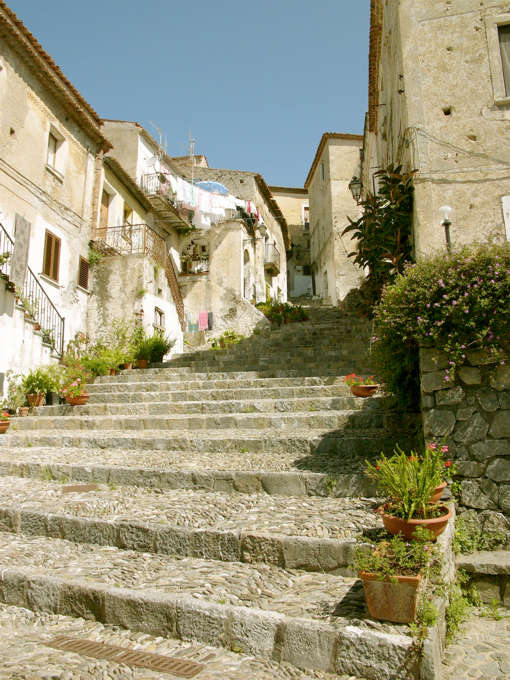
The origin's of the name Scalea is only an intuitive guesswork, in fact the
layout of the "old town" of Scalea is characterized by various flights of
steps ("scale" means steps).
The "old town" is placed on the heights and preserves the
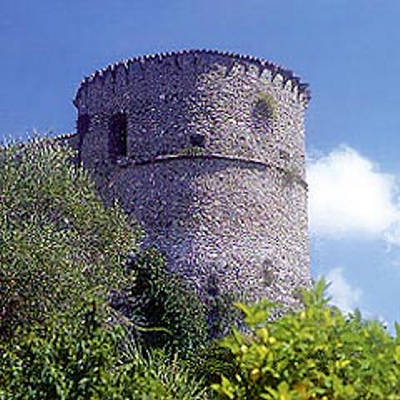
remains of an ancient wall, it hosts a tower called "Cimalonga" that
nowadays is an Antiquarium but in old times was a prison.
Scalea was no doubt inhabited even in prehistoric times, as proved by
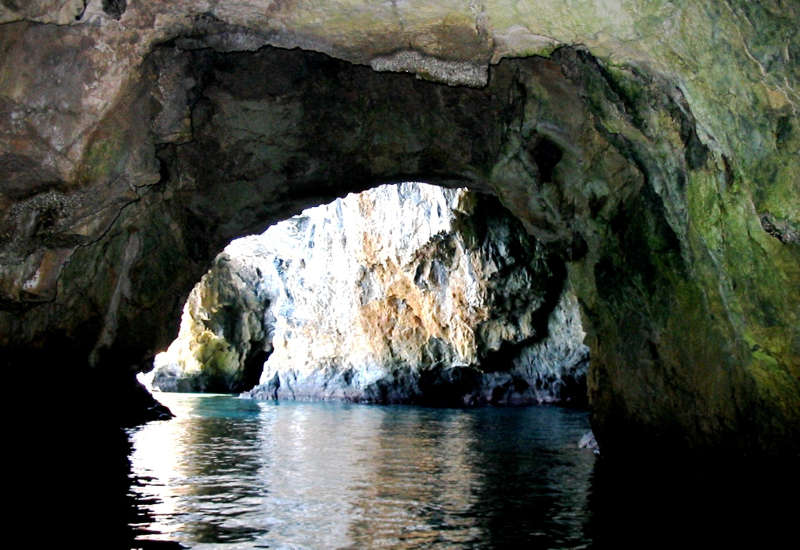
the stones and bones and animal remains of the Palaeolithic period excavated from a cavern
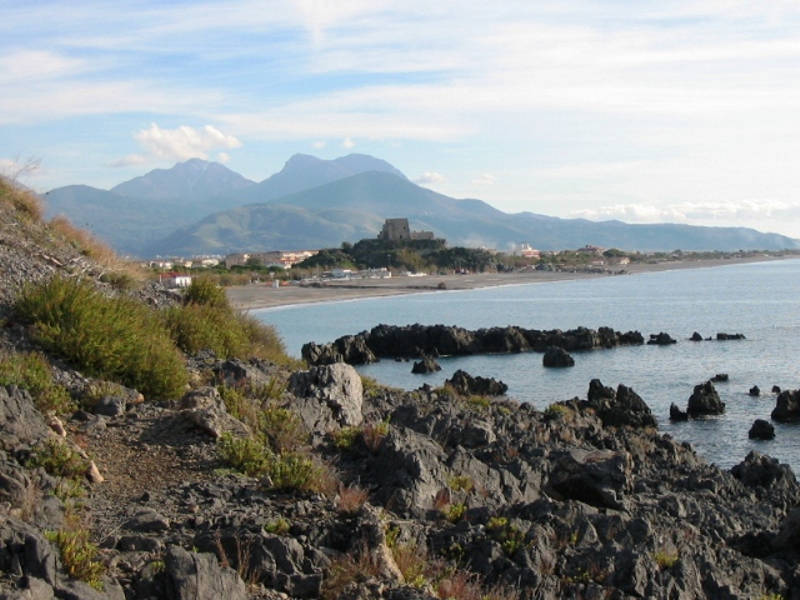
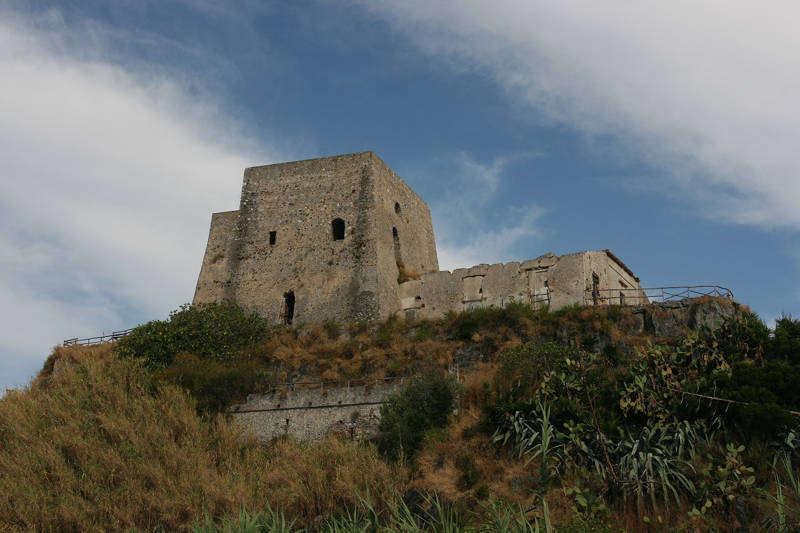
built in historic times almost under, "Torre Talao" a sentinel
tower. This tower was built in the past on the "Island of Scalea" to spot in
the distance enemies and invaders coming from sea and eventually protect the
town. As time went by and as sea retired, this rocky promontory slowly
became attached to land becoming peninsula.
Legend has it that the cavern close to "Torre Talao"
was dug from the prisoners in "Cimalonga" to escape, but once discovered was
also used as a communicating tunnel between the Island and the town in case
of need. It is claimed that the City of Laos, one of the most important
colonies of Magna Graecia, of Pre-Hindu-European origin and colonized by the
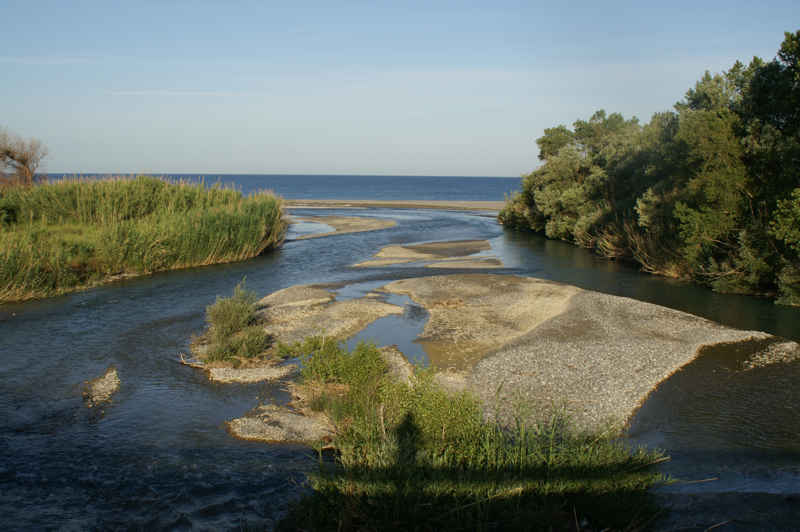
Sybarites in the 6th-5th century B.C., once stood an the plain South of
Scalea, near the mouth of the river Lao.
WHERE TO EAT - WHERE TO HAVE FUN - SPONSORS |
| |
|
|
|
|
YOUR ADVERTISEMENT BANNER HERE |
Visit & See
Scalea's historical centre hosts a little church called "Chiesetta
dello Spedale" dating back to the Basilian
Order, housing the remains of Byzantine style frescos, also the church of
"San Nicola in Plateis" that was built on an older Gothic construction and that houses the
crypt consecrated to "Madonna Addolorata" (our lady
of sorrows) which bears the sarcophagus of the angevin Admiral
Ademaro Romano and the remains of the philosopher Gregorio
Caloprese, disciple of Metastasio and Gravina.
|