
Travel and holidays to south Italy - Holiday accommodation in Apulia, Sicily, Amalfi Coast, Calabria, Basilicata and Eolian Islands.
This is an area so little known to the European tourism yet in a delightful land wealthy of natural beauties, such as the Arch of Arcomagno, a natural arch of rock, entrance to an attractive coved beach,  with calm turquoise sea; the Faraglioni of Capri, beautiful sea rocks in the sea of Capri, one of many in the Amalfi Coast; or the Etna Volcano, still active and one of Sicily's biggest tourist attractions.
Tortora Paese Arco Magno - Praia a Mare Trulli - Apulia Il Cristo - Maratea Il Tempio dei Dioscuri - Agrigento Piazzetta - Capri Panorama - Rivello Etna Volcano - Sicily I Faraglioni - Capri I Bronzi di Riace - Reggio Calabria Untitled Document


HOTEL OFFERS
OSTUNI

HOTEL OFFERS
MARATEA

HOTEL OFFERS
CAPO VATICANO

HOTEL OFFERS
AMALFI COAST

HOTEL OFFERS
TAORMINA


Travel and holidays to south Italy - Holiday accommodation in Apulia, Sicily, Amalfi Coast, Calabria, Basilicata and Eolian Islands.

Video di Greco e Maiolino di Buonvicino alla Corrida su Canale 5
Rivello - Travel and Holiday to south Italy, accommodation by the sea or rural


Basilicata - Rivello


ACCOMMODATION    LEISURE    SHOPPING    EXCURSIONS     Town Geographical Position


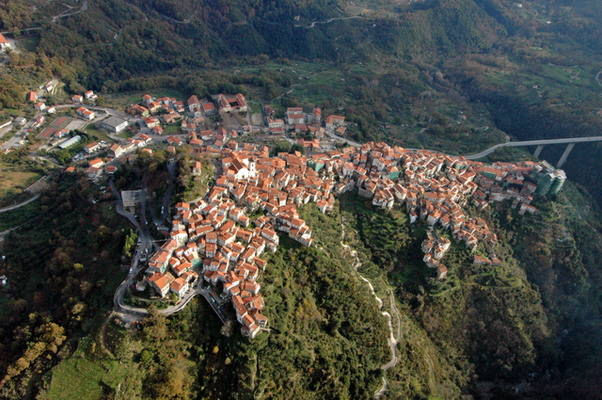
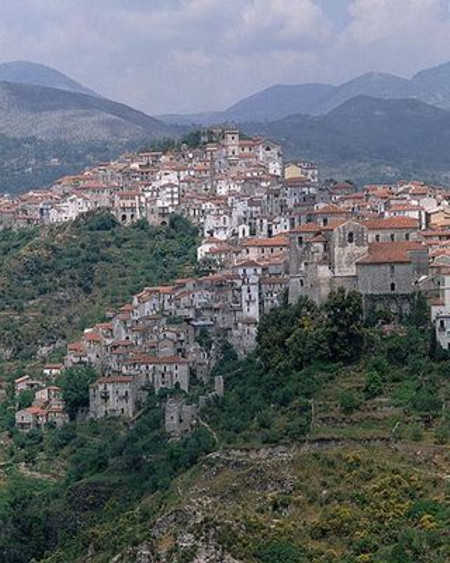
Rivello (which means "small watercourse"); a typical south Italy mountain town, surrounded by woods and high hills of the Basilicata region. Rivello is located in a splendidly scenic position on the ridge of a hill that overlooks the whole Noce Valley and Mount Sirino. The urban structure of the town is equally picturesque with the chuch of San Nicola dei Greci dominating the western height of the town.
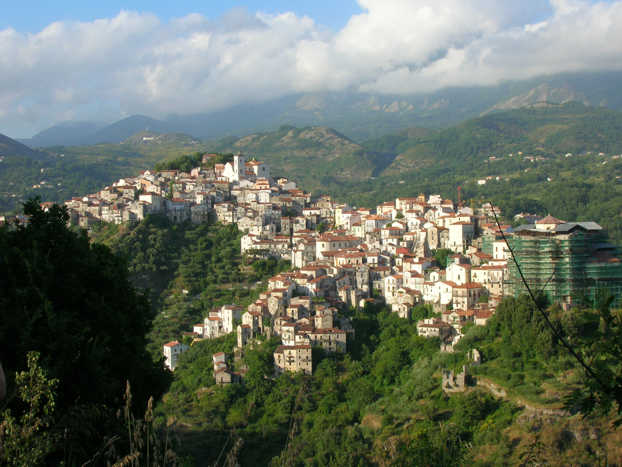
The town has an unusual history: born from a Basilian monk's laura and therefore a place of prayer and worship, it became a place disputed for centuries by Lombards and Byzantines because of its strategic position. Neither power was able to prevail over the other, so they reached an uncommon form of agreement. The Lombards settled the upper part of the town, while the Byzantines concentrated in the lower.

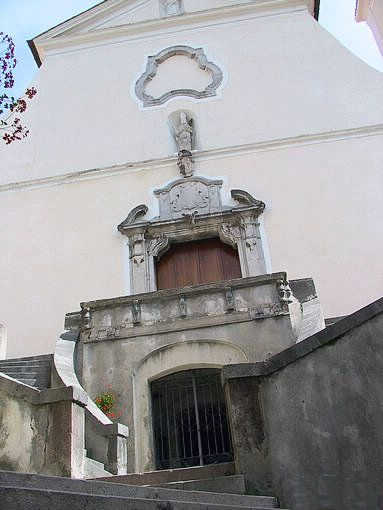
As a consequence, within this once very populous town, two centres with two very different cultures developed. Each center has its own major church. The Lombards in the upper areas built The church of Santa Maria Maggiore, of Latin rite, and the Byzantines built The church of San Nicola which practices the rites of the Greek church, a tradition that lasted well into the 17th century.

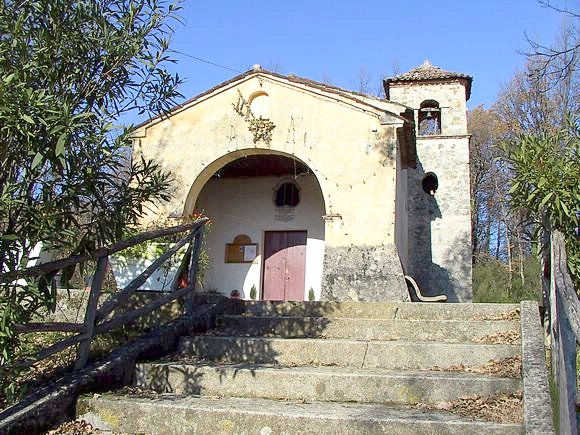
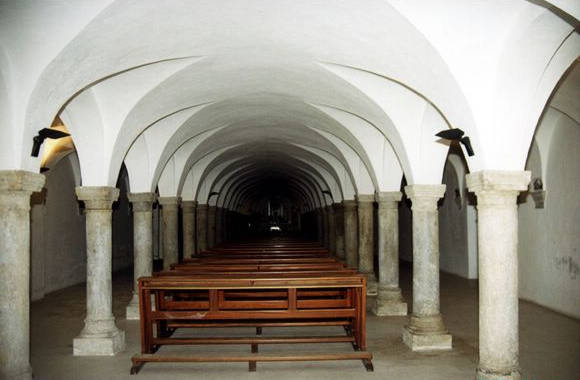
Although all the local churches are now Roman Catholic, many reveal a Byzantine architectural influence. There are many other smaller churches in the town, the vast majority are open all day and throughout the year.

On the first floor the Civic Museum displays archaeological material found at Serra Città and Piano del Pignataro, where archaeologists have found numerous brick kilns active from the 3rd century BC.

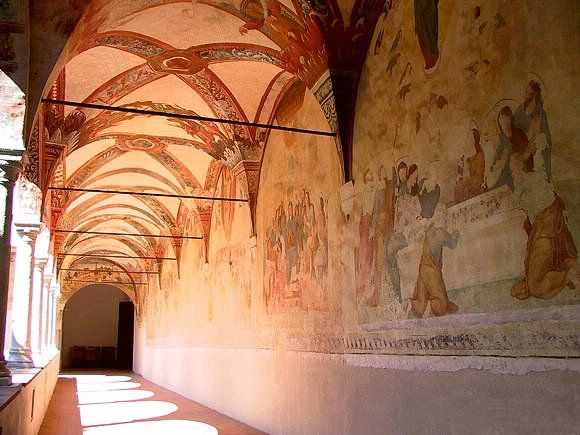
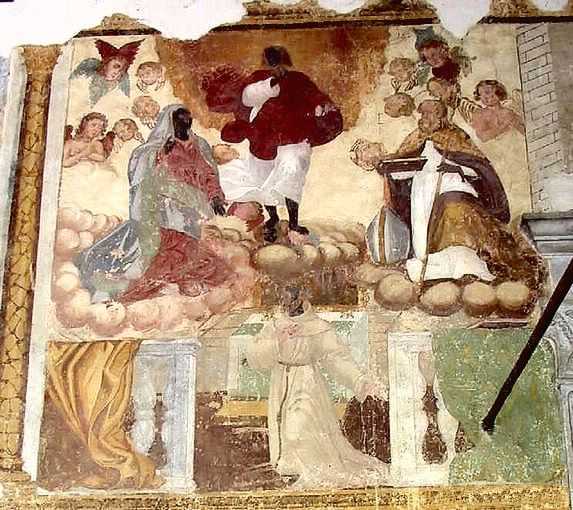
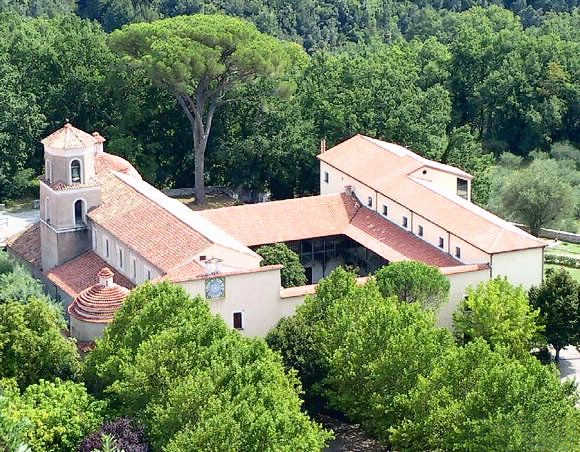
The church in the complex of the former convent of Sant’Antonio, of the Observant Minors (15th century) on the façade has a 16th century portico, frescoed by Pietrafesa (17th century).The entrance has a fine wooden doorway flanked by two stone sea-lions. The interior is of the baroque style with two canvasses (The Sacra famiglia and the Immacolata) by the local painter Salvatore Ferrari in the 18th Century, and other pictures by Filippo Vitale, the Domenico Antonio Vaccaro and Domenico Mondo. The cloister was partially knocked down but the two remaining wings of the convent, conserve cycles of frescoes by Pietrafesa and Giovanni Todisco Todisco's works include the Scene della Passione and the Ultima Cena which is hung in the refectory (1559). At the center of the cloister stands a stone well.